Discalced Carmelites, the appeal in Venice: “Enough with unchecked tourism—we need more opportunities for those who live here”
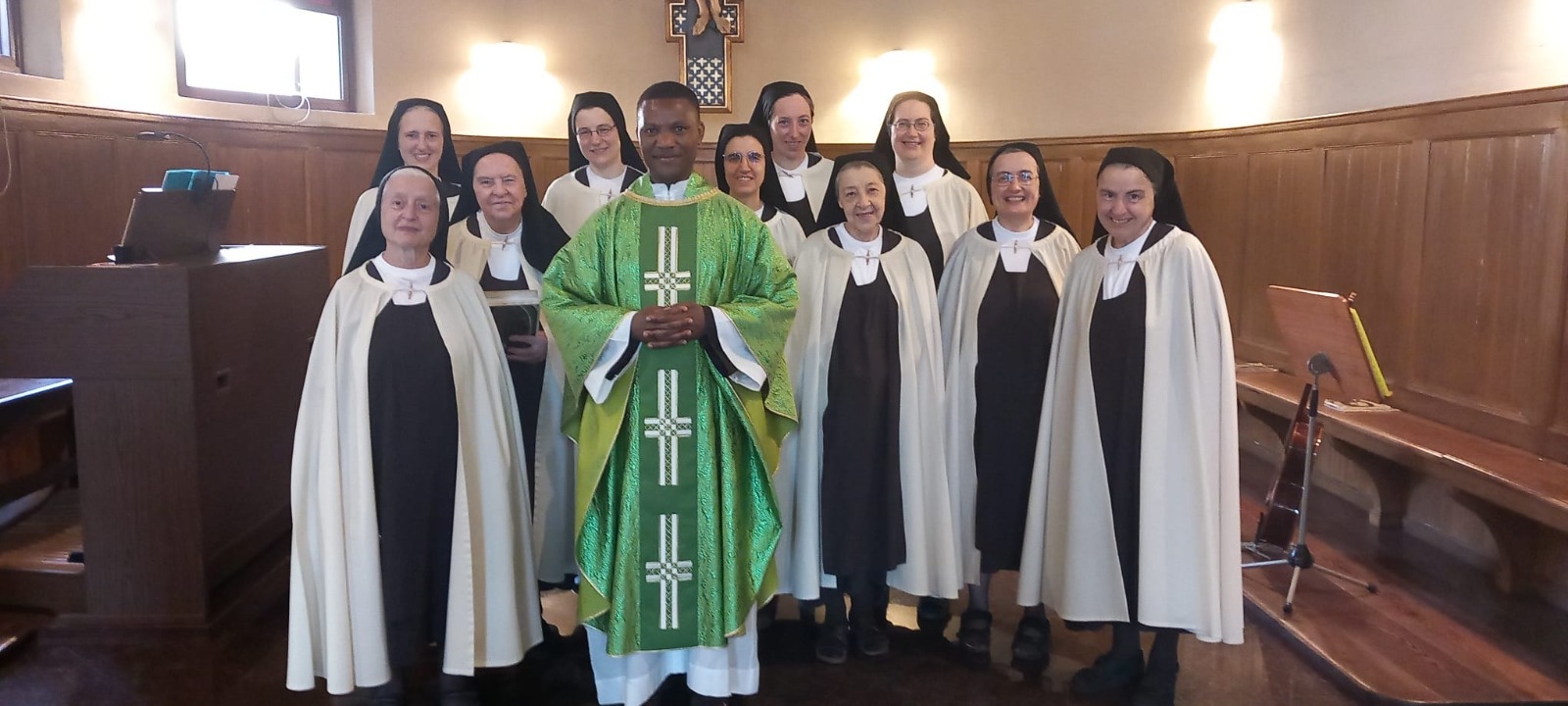
A century and a half of history lived in the light of prayer, which embraces everyone without distinction. Although their way of life is based on cloistered living, the Discalced Carmelites are deeply rooted in the city, whose strengths and weaknesses they know well. These are the very issues that need to be addressed, so that the true fabric of the city—made up of Venetians who choose every day to keep believing in Venice— does not fade away. “We’re very sad to see how the city is increasingly becoming a tourist destination,” say Sister Lucia Zamuner and Sister Maria Chiara Lanfranchi. “It’s gradually losing its population, the average age of residents is rising, and many shops have disappeared. We’d like it to be a bit more livable.” These sincere words show that the nuns—who last Sunday celebrated the 150th anniversary of the founding of their monastery in the Lagoon, just a few steps from Campo Sant’Alvise—are by no means “out of touch” with the events and issues affecting the city and its inhabitants: from the Aqua Granda to COVID-19, right up to the social transformations of our time. “Even though we lead a secluded lifestyle, we are part of the world. We feel and experience what is happening.” Now comprising 12 nuns between the ages of 43 and 92, the community of the Venetian Discalced Carmelites lives with an awareness of just how delicate the current historical moment is, without, however, being frightened by it. “It’s painful,” reflects Sister Lucia, referring to the conflicts around the world and recalling the monthly prayer for peace, “to see what’s happening, but in the end, God is the Lord of history. We know that even though we’re going through difficult times, He continues to ‘work.’ Faith tells us to look beyond, to have faith, and to do our part.”
Sister Maria Chiara, Sister Lucia, what message would you like to share with the city on this important anniversary?
MC: Venice is made up of more than 100 small islands connected by 400 bridges, which are essential for living in harmony. My hope? That it may be a city of peace, of healthy relationships, with a heart open to dialogue with everyone. Let’s say “no” to unchecked tourism, which is driven solely by economic interests and risks turning from a resource into something that can crush us. Let’s place our hope in the new mayor and the progress of his work. We also need to focus on people: the elderly who need care, college students looking for housing, children who need a park to play in, families seeking an affordable apartment, and people with disabilities who can move about without architectural barriers.
L: Venice has a slow pace of life, due to the fact that people get around by boat or on foot. And this fosters relationships: everyone knows each other to some extent, a characteristic that must not be lost. Our call is to make the city more livable for those who want to live here. Many older people we’ve met—whose children have moved to the mainland—had their apartments converted into B&Bs after they passed away. Our hope is that there will be job opportunities that aren’t solely tied to tourism.
How does your presence fit into a place like Venice?
MC: Our home is close to the Emporio della Solidarietà and Anffas, a residential community for people with disabilities—two places where human vulnerability is most evident. We’re proud of these people in our neighborhood: the Emporio volunteers are our friends, and we keep their keys safe. When they’re away… we even act as their “mail drop” (laughs, ed.)! This is a quiet, very Venetian neighborhood where many families still live.
L: Ours is, first and foremost, a presence of prayer, one that also seeks to bear witness to another dimension amid the frenzy that surrounds us. We are connected to the city and its events, and being here is our calling. For us, time is marked by prayer and the rhythms of our work. It is an intense life, and what gives it meaning is for whom we live and how: a different way of life, intended to benefit everyone.
What significance does a vocation like yours hold today?
L: In a world that seems to have lost its bearings, in a sense we try to point the way. If the Lord isn’t there to show us the way and help us walk toward what is good, we lose our bearings.
The Impact of AI and New Technologies: A Threat or an Asset?
L and MC: It depends on how they’re used. We don’t have social media accounts because, at least for now, we don’t see how they’d be useful in our lives. But we do use the internet and take online courses in theology and spirituality. Sometimes we also need to do research using AI, and for certain purchases (reams of paper, books, replacement parts, products for making our wine, candle wax…) we shop online—either on Amazon or through other sellers. After all, many stores in Venice have closed, and buying what we need online means we don’t have to go out. As for groceries, however, we shop at the nearby supermarket and then have them delivered. AI? We need education on how to use it so that it doesn’t replace humans. It has enormous potential, but it’s still a machine, and we need to know how to spot fake news. As for social media, it will never be able to replace real relationships.
What was the most precious legacy left by the first sisters who arrived in Venice?
MC: Great courage and great faith. They were women of God who did everything for His glory. When they began to form the community here, they asked the Lord for a grace: that there might always be brotherly love. As St. Teresa of Avila always said, “One must take risks in life,” and they lived a life in which God was the central figure.
L: Our community has done a great job of adapting to the Second Vatican Council. The ways in which we observe the signs of cloistered life have changed; we can go out to do our grocery shopping when necessary, and—something very important for our community—we have been ecumenically open for decades, most recently with the Lutheran and Waldensian Churches. They come here once a month for a time of prayer, and we provide them with a room for their meetings.
What advice would you give to young people who are trying to find their way?
L and MC: Don’t be afraid, because every life has meaning, and don’t settle for trying to fill a void. Don’t let yourself be swept along by the current: sometimes, the road less traveled is the one that leads you to true joy.
Alex Signoretti, il più giovane maestro vetraio di Murano
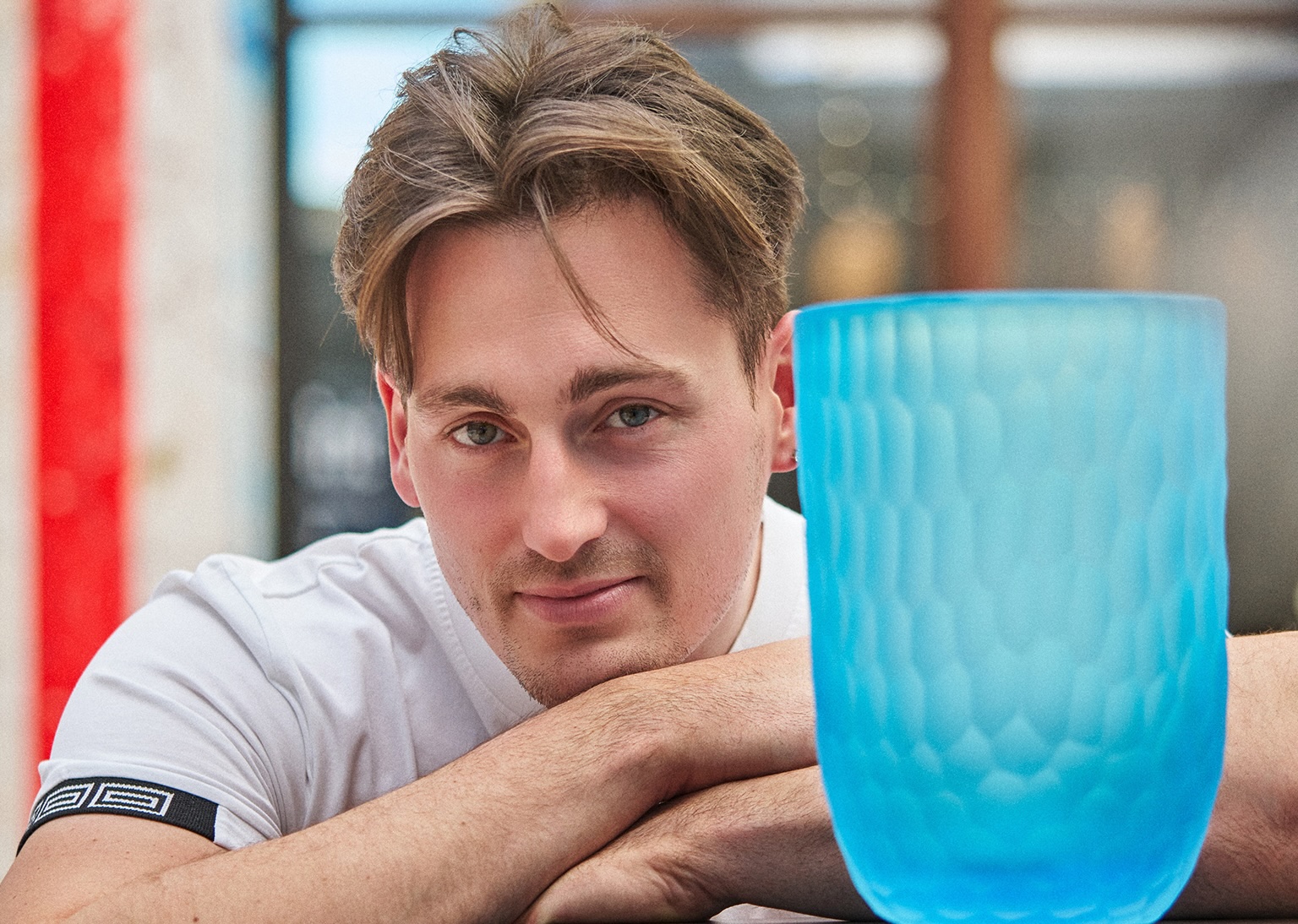
Alex Signoretti, 30, is Murano’s youngest master glassmaker. On the island where he grew up and trained, he works in a studio alongside two other young people, ages 27 and 28, making them the island’s youngest team.
“I’ve always had a passion for glassmaking,” says Signoretti, “but I was also lucky enough to start experimenting with it at a very young age because my grandfather, Bruno Fusato Signoretti, was friends with another well-known master glassmaker, Pino Signoretto. Seeing my interest in the art, Signoretto agreed to teach me the basics. Then, like everyone else, I started out as an assistant in the glassworks, and little by little, the masters—seeing that I had the aptitude—entrusted me with increasingly complex tasks, broadening my training.”
A craft that goes beyond creation for its own sake, but one that embodies important values: “The younger generations,” says Signoretti, “tend to want everything right away, strongly influenced by social media in this regard. The craft of glassmaking, like other artisanal trades, teaches the importance of patience: only through patience can one achieve results that bring satisfaction. And for me, every creation is a source of satisfaction because it allows me to gain more experience and improve my skills.”
Signoretti’s style follows in the tradition of the family business with a more modern twist: “Without straying too far from the classic designs,” he explains, “I try to reinterpret colors and decorations to make them suitable for the interior design style of contemporary homes. For example, some vases and centerpieces that were in fashion in the 1970s had very bright colors and almost Baroque decorations: but now that a more minimalist style is preferred, they would seem ‘overwhelming.’” “With the right embellishments and colors, these works can still be appreciated today.”
Il vescovo Manenti: «Ascoltare la Parola, luce sulla nostra umanità»
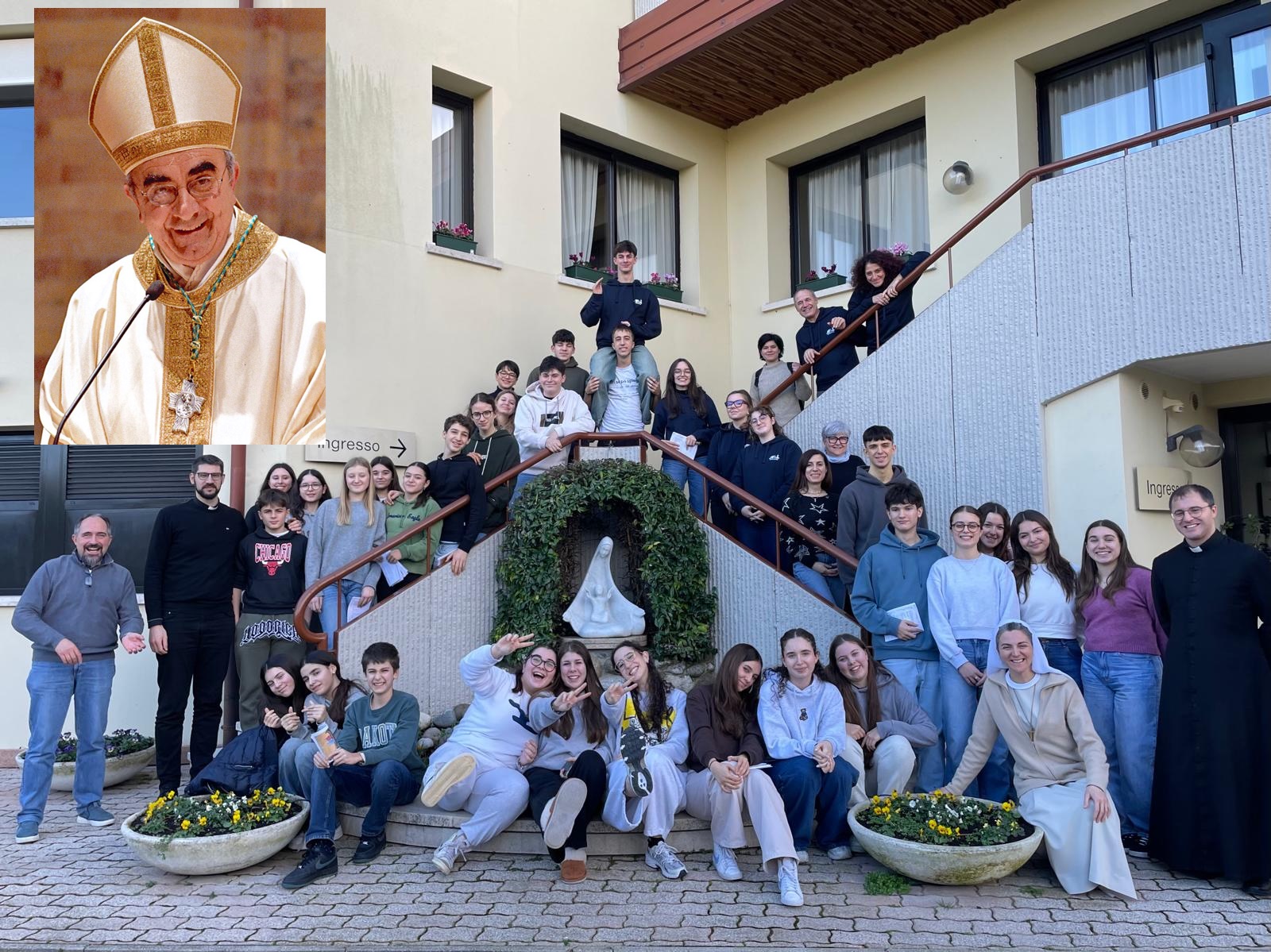
For many years now, he has been setting aside his (important) duties for a few days and traveling to Cavallino, in the province of Venice, to lead the diocesan spiritual exercises through his preaching—on average, once each season. He is, therefore, a familiar voice and a much-appreciated figure among the many who have so far taken part in this experience: the spiritual exercises of the Diocese of Venice.
Bishop Franco Manenti, who recently turned 75, has been the bishop of Senigallia, in the Marche region, since 2015, but he is originally from the Diocese of Crema, where, as a boy and while in seminary, he had as his rector and came to know the future Patriarch of Venice, Marco Cè, with whom he would later maintain a very strong bond.
The wolf comes down to the plains: “But nutria are also among its prey”

The wolf has arrived in the plains, and nutria are among its prey. According to experts, this factor could make the wolf’s presence less problematic than one might think and, in some cases, even helpful in controlling a species considered invasive. Management, however, remains the key issue: rather than focusing on culling, the goal should be to monitor the animals and work on conflict prevention.
The topic was discussed on Thursday, September 17, at the Giancarlo Ligabue Natural History Museum in Venice, during the final summer event of the “Aperitivi al Museo” series, with a talk titled “The Wolf in the Plains: An Unexpected Return.” The speakers were Mauro Belardi, a biologist and expert on large carnivores, and Mauro Bon from the Venetian museum.
The presence of wolves is no longer limited exclusively to mountainous areas. Their return to the Alps is traced back to 1992, and in 2012, the first pair formed in the Eastern Alps: Slavc, born between Croatia and Slovenia, and Giulietta, who came from the Apennines. From that pair, packs have developed that are now present in the Veneto region as well.
“We shouldn’t think of the wolf as an animal that lives exclusively in the woods and mountains,” Belardi explained, “but as a very versatile species, capable of adapting even to coastal areas and the plains.” Wolves have also been spotted in the municipal areas of major European cities such as Rome, Madrid, Ljubljana, and Milan.
AI and Decision-Making in Medicine: A Meeting at Ca’ Foscari
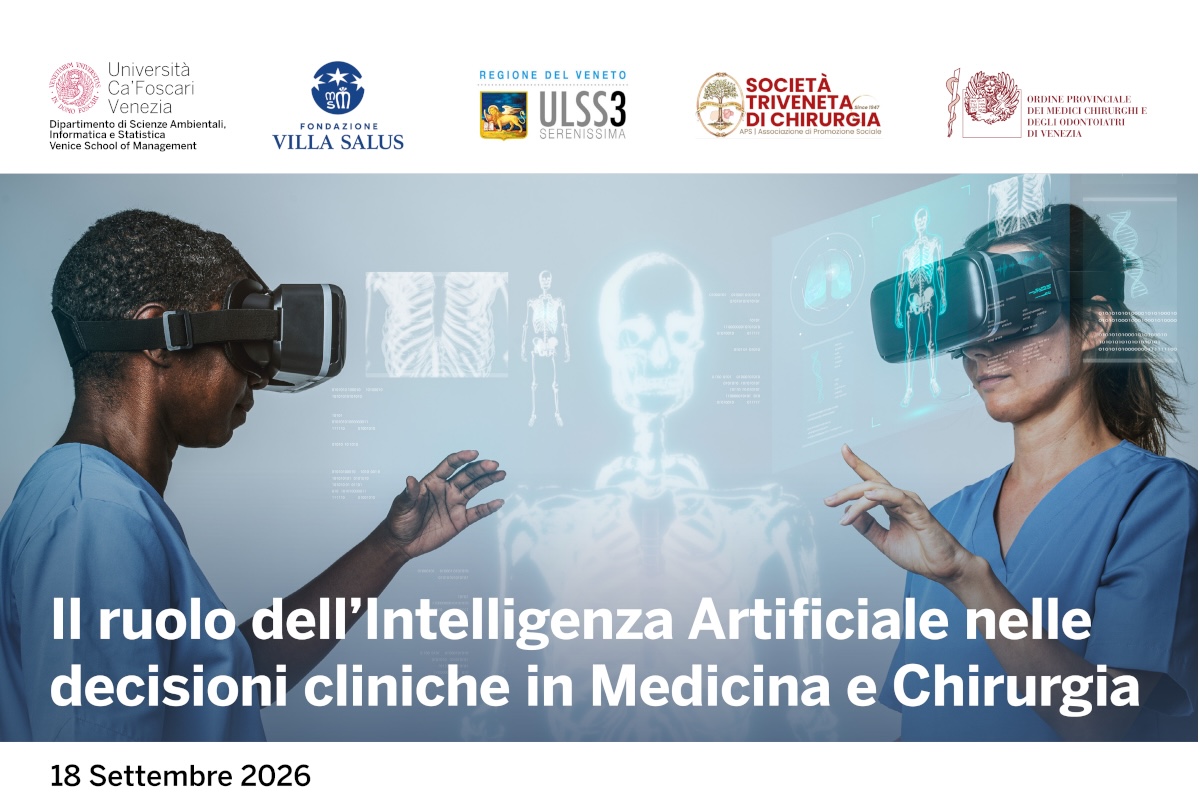
How far has artificial intelligence penetrated the fields of medicine and surgery ? But above all, what is its role in clinical decisions? This was discussed last September 18th in the Danilo Mainardi auditorium of the Scientific Campus on Via Torino in Mestre, at the conference ” The Role of Artificial Intelligence in Clinical Decisions in Medicine and Surgery ,” organized by the Villa Salus Foundation, Ca’ Foscari University of Venice, ULSS3 Serenissima, the Triveneto Society of Surgery, and the Provincial Order of Physicians, Surgeons and Dentists of Venice. ” AI in a broad sense was discussed ,” explains Ca’ Foscari coordinator, Professor Marco Salvatore Nobile, ” with specialists who already apply these solutions in Italy , mostly in the Veneto region .”
In Venice, MIT Helps 7 Startups Grow Through a Call for Proposals
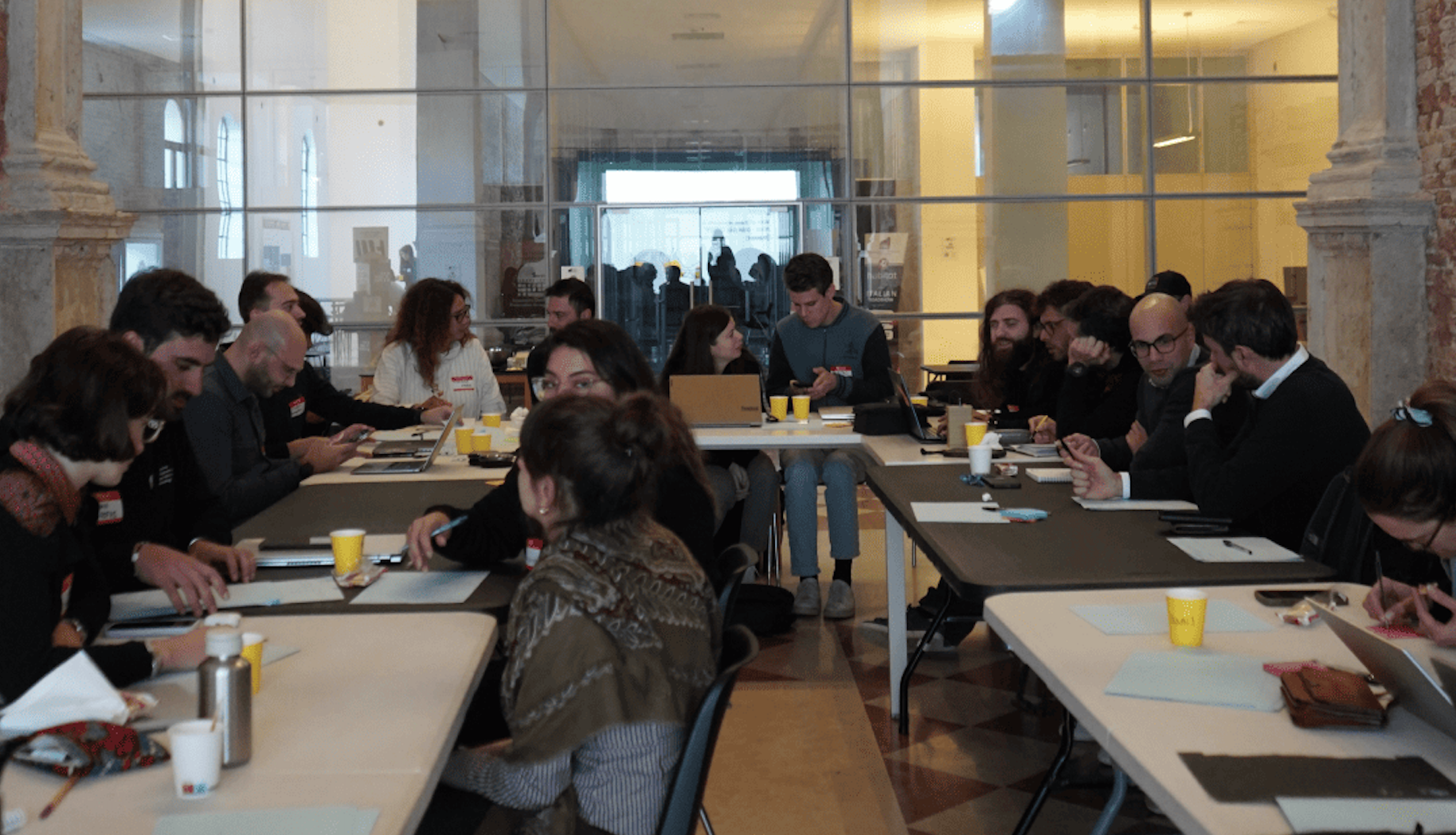
Seven startups, four thematic areas, and an acceleration program that does not require equity stakes. The first edition of Vortex powered by MitdesignX kicked off on September 17 in Venice. This new program builds on the experience of four editions of MitdesignX Venice and is designed to further develop the innovation support initiative launched in Venice by SerenDPT in collaboration with the Massachusetts Institute of Technology.
The seven selected teams are Aere, Fiscobud, Iuspert, NowHere, Sorti, Tollerante, and Workface—companies operating in different sectors but united by the goal of transforming concrete needs into innovative solutions and scalable business models. The selection process took place following the application period, which opened on July 3 and closed on August 9. The proposals underwent an initial evaluation, which resulted in a shortlist of finalists, followed by individual interviews with the mentors—the professionals tasked with guiding the teams throughout the program.
The seven startups operate in a wide range of fields: from cultural heritage to legal services, from the future of work to the circular economy, from event management to professional services and food. This diversity also reflects the four areas on which Vortex focuses its attention: Culture, Heritage, and Tourism; Cities, Mobility, and Public Services; Climate, Energy, and the Environment; and Work, Learning, and Talent
Three-dimensional copies of cultural heritage. Aere offers an open-source web platform—that is, one based on software whose code can be freely used and developed—to create and manage three-dimensional digital copies of cultural heritage obtained through photography. The project combines artificial intelligence and augmented reality tools, with the goal of putting digital technologies to work in the service of knowledge and the promotion of cultural heritage.
Software for quotes, invoices, and management… Fiscobud, on the other hand, operates in the realm of services for professionals. The startup has developed software that can be used directly online, designed for those operating under a flat-rate tax system. The platform brings together quotes, invoicing, payment management, and work organization in a single environment, aiming to simplify administrative and management tasks.
AI for lawyers and clients. The Iuspert project is dedicated to technologies applied to legal services; it is a platform that uses artificial intelligence to connect clients with pre-screened lawyers. The service also includes an initial video consultation at a fixed price, offering more immediate and structured access to legal services.
A platform for organizing events. NowHere, on the other hand, caters to the events industry with an online platform that brings together all the various tasks required to organize events in a single environment. Artificial intelligence tools are used to coordinate aspects such as venue selection, services, contracts, and tax compliance, with the goal of streamlining a process that is currently often spread across multiple stakeholders and systems.
The Gut Microbiome: A Universe Worth Protecting

The term “gut microbiota” refers to the collection of microorganisms—mostly bacteria—that live in our gut. According to the most recent and well-established scientific research, the microbes in our gut constitute a true organ within our bodies: if we count all those that inhabit our organs and cover our skin, we arrive at the staggering figure of 100,000 billion cells—that is, 10 times the number of our own cells, which total 10,000 billion.
Five hearts, one mission, and many new friends: “The experience in Moldova has strengthened our faith”
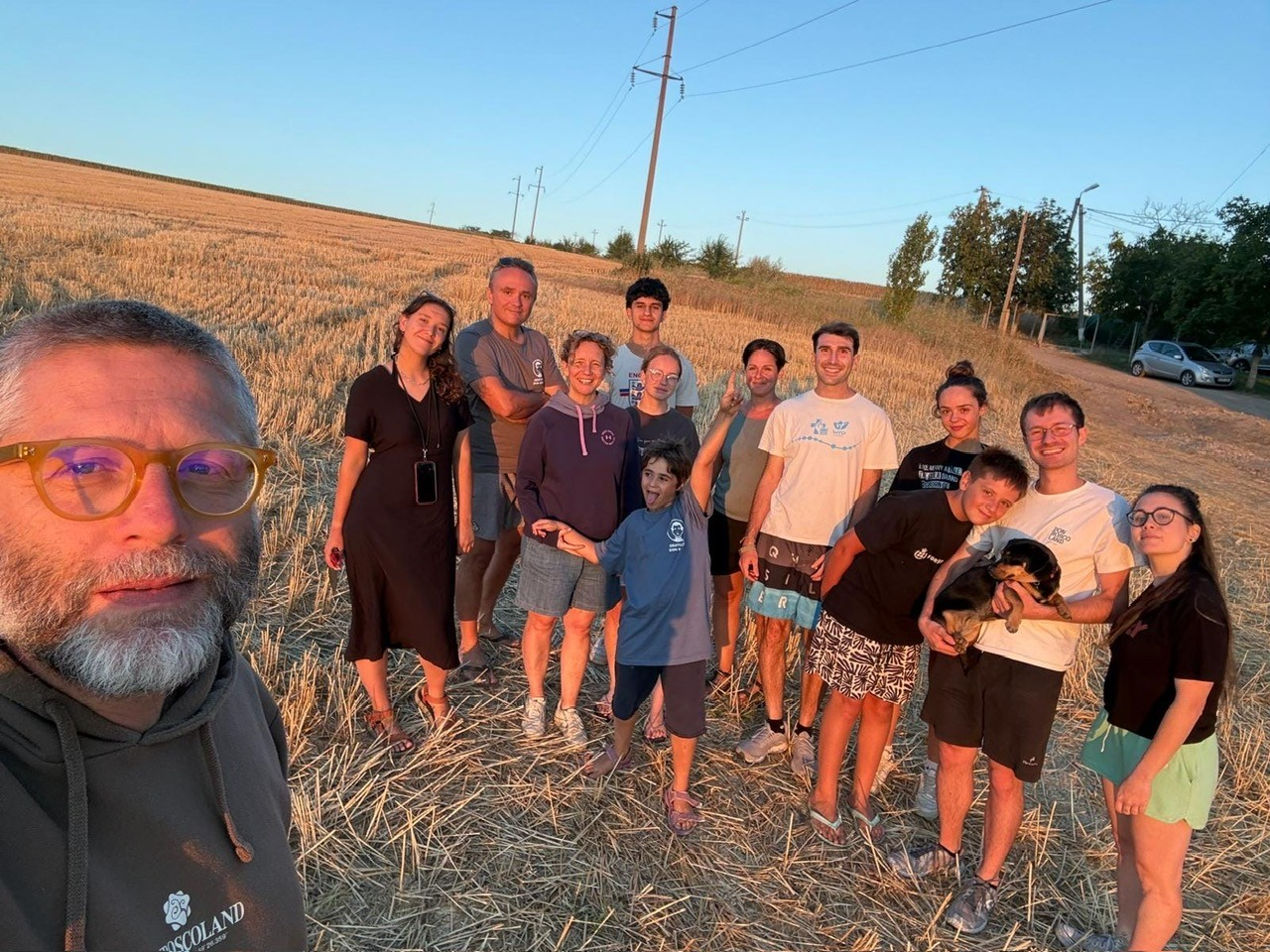
A mission is always a very intense experience, but it is even more so when shared as a family: this is confirmed by Claudia Boila, Matteo Marziantonio, and their three children—the first family from the Salesian Triveneto region to serve on mission in the parish of Cretoaia (Moldova). The Marziantonio family, who live in the Castello district of Venice, traveled to the Moldovan parish during the first two weeks of last August. They say they had never had a missionary experience of this kind before and were positively struck right from their first encounter with the reality they encountered: “The welcome,” says Claudia, “was warm. The Grest kids had no expectations or demands, just the joy of meeting someone who had come there to play with them.” During the recreational and educational activities, Claudia and her eldest daughter, Arianna, served as activity leaders; her two youngest children, Rinaldo and Alessandra, joined the teams alongside the local children; and Matteo worked hard to help in every way possible. “Matteo and I also led a cooking workshop titled ‘Famous Italian Chefs,’”Claudia reports. Parents and children joyfully experienced their time at the Moldovan parish, forming sincere bonds that transcended even cultural and linguistic barriers and taking home important emotions, memories, and feelings: “I felt welcomed, just like in a family, by the Italian group of volunteers. And the same goes for the children and teens at Grest: I’m returning with a stronger faith in God and greater trust in others,” says Claudia, the mother. “When it was time to leave, I realized I had formed bonds that made saying goodbye so hard. I came away with a greater awareness of myself and my family,” says Matteo, the father.“I formed a beautiful friendship with Costya. One day I suggested a game with dirt and mud to the other children, and we played together without our different languages being a problem,” says Alessandra. “I, too, made friends with kids my own age without any language barriers; I’ve stayed in touch with many of them. For me, the best part was being able to call them ‘friends,’” confirms Arianna. “I really appreciated the different cuisines and the joy of sharing lunch together. I’ll always remember ‘Sestra,’ who took care of all the children as if they were her own,” says Rinaldo.

