


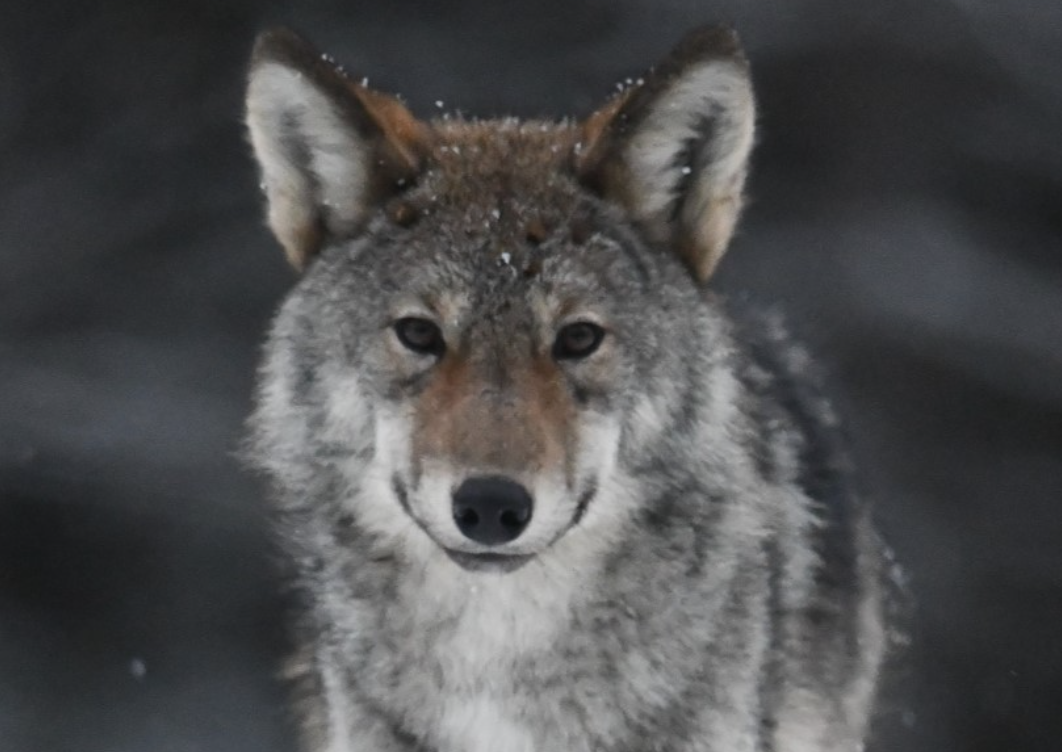

According to experts, the population growth is linked to the increased availability of prey—particularly deer and wild boars—the depopulation of mountainous areas, and conservation policies that have prohibited wolf hunting. This situation has brought humans face-to-face with a large predator once again after about a century of absence from the Alps.
Belardi notes that the conflict is often fueled by a lack of knowledge about the animal. “Statistically speaking, it’s not a very harmful animal: deer, wild boars, and coypu are more harmful.” This does not eliminate the problems for farmers, who may suffer from predation on their livestock and already have to deal with other difficulties, from drought to generational turnover. Experience in some areas, however, shows that greater awareness and the adoption of preventive measures can reduce conflict even as wolf populations increase.
The issue of culling—which is permitted in certain cases in countries such as France and Switzerland—remains open. According to Belardi, culling is not an effective solution. In fact, reducing or breaking up packs can encourage the presence of lone wolves, which may turn to more easily accessible prey, including domestic livestock. Understanding the composition and movements of packs, on the other hand, makes it easier to identify preventive measures.
And it is precisely the plain that offers an unexpected finding. “We studied the diet of some wolves that have settled in Polesine and noticed that they prey heavily on nutria,” Bon said. The analysis also revealed evidence of fish predation.
The presence of wolves in the plains, however, is not without risks for the animals themselves. Packs may be unstable and prone to high mortality rates due to road traffic. Added to this is the use of rodenticides, which can kill wolves or impair their ability to react, thereby increasing the risk of being struck by vehicles.
The possible arrival of wolves in the plains therefore raises a management issue rather than simply a question of their presence or absence: monitoring the animals, understanding their habits, and implementing preventive measures can help reduce damage and conflict. This is especially true because, at least in Polesine, nutria are already among the wolf’s prey.