

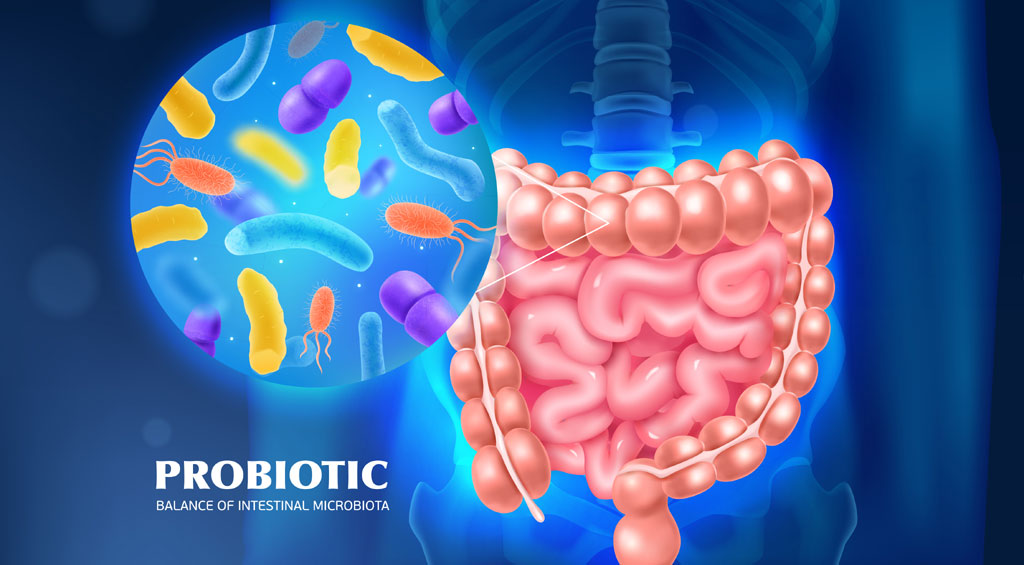
The gut microbiota is certainly the most important of all the various microbiotas: just consider that it weighs about 1.5 kilograms and consists of approximately 500 different species of bacteria. It contains extremely useful microbes, some of which are even capable of interacting with our metabolism: this is the case, for example, with Bacteroides thetaiotaomicron, which greatly enhances our body’s ability to metabolize carbohydrates. As early as 2006, the renowned scientific journal *Nature* published a study on the relationship between two specific populations of gut microbes (Firmicutes versus Bacteroidetes) and their role in either predisposing individuals to or protecting them from developing obesity.
Another well-established finding is that a varied diet promotes a bacterial flora—as the gut microbiota was once called—that helps keep us healthy. If, on the other hand, we follow a diet that is anything but varied and always eat only the same foods, our gut microbiota will also be greatly depleted, thereby exposing us to infections, inflammatory diseases, and allergies.
One example is infant atopy—a genetic predisposition to developing certain anaphylactic reactions—which is often linked to the diet of the mother, who tends to consume a very limited variety of foods. And as if that weren’t enough, recent research has shown that a certain type of gut microbiota in pregnant women significantly—almost certainly—increases the risk of preterm birth. Who would have thought?
This knowledge gives us the opportunity to prevent certain diseases by “regulating” the bacterial composition of our gut flora—that is, by taking so-called lactic acid bacteria not haphazardly, but according to the balance most conducive to our body’s health—the so-called gut bacterial map of which we already have sufficient knowledge, to the point that some researchers have already begun to speak of “bacterial therapy.”
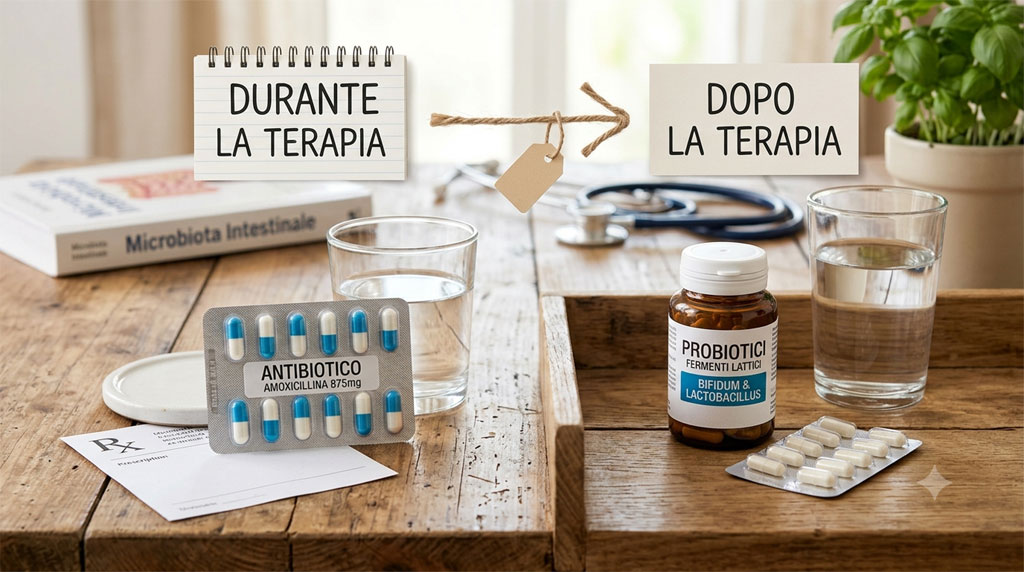
And to wrap things up, here’s a practical tip: if you want to take care of your gut microbiota, never take probiotics at the same time as antibiotics—it would simply be pointless, since the bacteria would be immediately “killed” by the antibiotic—but only after you’ve finished the antibiotic treatment, so that your microbiota can properly rebuild itself.