
Tapuista Archive: Art Brut in Mestre with TAPU
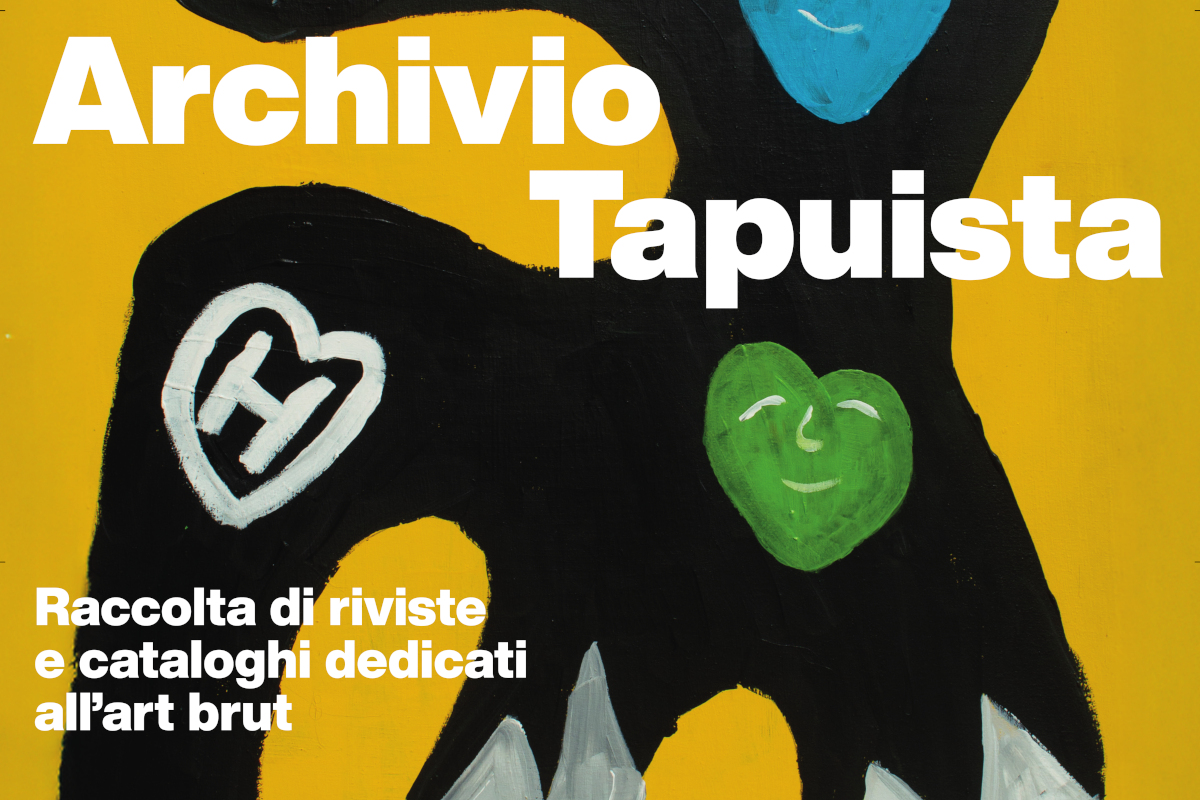
To make Mestre a hub for Art Brut? That isthe goal behind the opening ofthe “Archivio Tapuista”:a documentation and research center open to the public, curated and hosted by the TAPU SINGOLARE gallery at Via Premuda 5. The official presentation took place on Friday, September 11, at the neighborhood concierge office on Via Piave, where the inner courtyard of building 65 came alive from 5:00 p.m. to 6:00 p.m. The aim of the initiative is to create a collection of materials on this artistic movement and its outsider practices, supported by the Fondazione di Venezia through the “Bando Cultura 2026” call for proposals.
Barrier-Free Learning: The University of the Third Age Asks Young People for Help
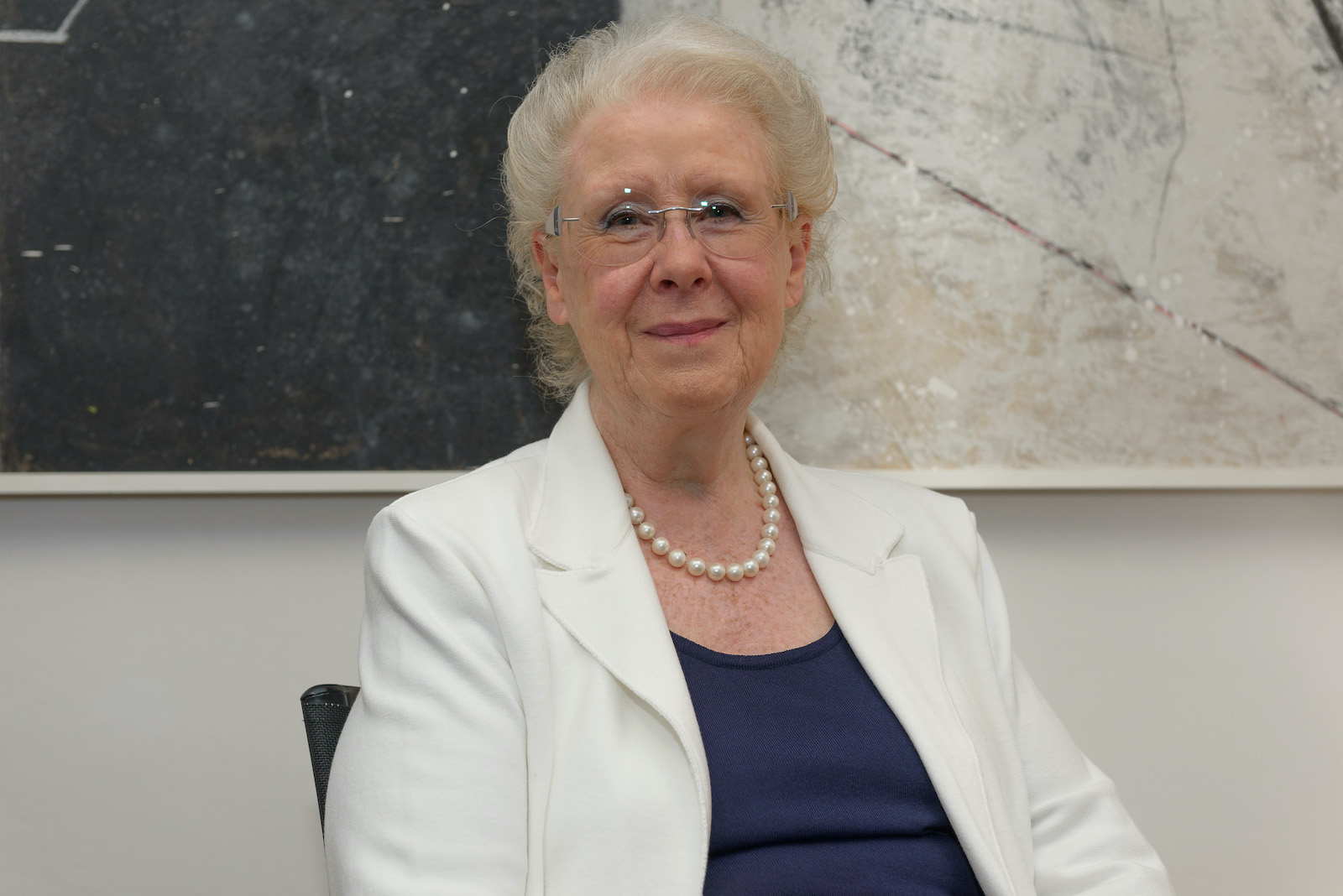
In Venice, even a seemingly simple journey can become an obstacle, especially for an elderly person who has difficulty getting around. With its narrow streets, bridges, and routes that often require time and effort, reaching the University of the Third Age may not be so easy for everyone. This has prompted an appeal from Irene Favaretto, president of UniTeVe and professor of “Memoria dell’antico,” who is reaching out to young people, asking if they would be willing to accompany enrolled students who need assistance on the walk from their homes to the Cavanis Institute, the university’s historic headquarters. This gesture of care and solidarity —in a city with a unique layout like Venice—could enable those who are more vulnerable to continue attending classes without letting mobility challenges become a barrier. It also represents a concrete opportunity to build a bridge between different generations, connecting young and older people through a simple act of assistance that holds great human value.
Home-Visit Psychologist to Help Elderly People Living Alone
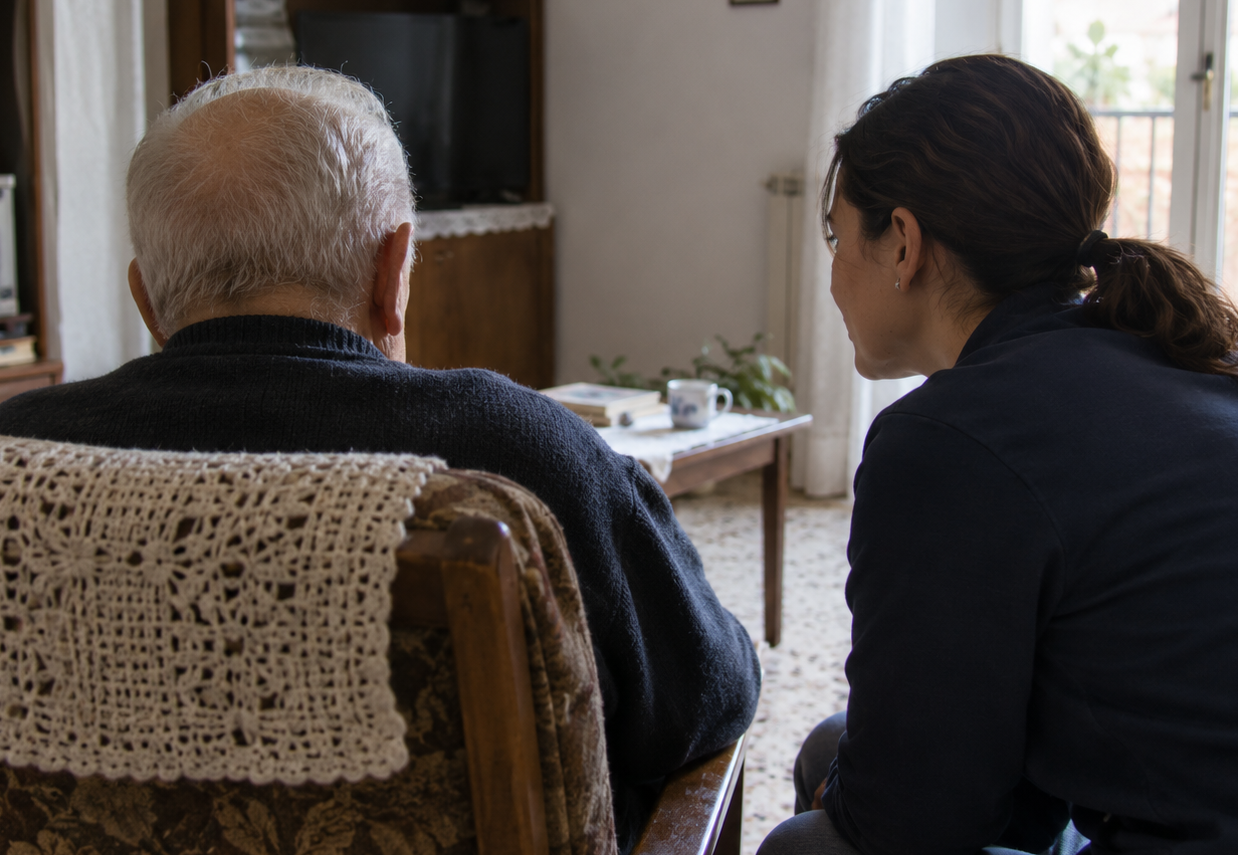
An innovative community-based model aimed at lonely seniors and their families is being launched in Venice. The goal is to improve their quality of life by combating the risk of isolation and marginalization, as well as to support families in need who are facing increasingly complex situations involving the frailty of their loved ones. “You Are Not Alone!”—a project launched by the association “Corte del Forner” – which runs the “Emporio della solidarietà” in Venice – in collaboration with “Centro Santa Maria Mater Domini,” both organizations chaired by Anna Brondino – is the title of an initiative set to launch 3 new initiatives that will be hosted at the “Carlo Acutis” community center, just a short walk from Campo Santo Stefano, from October 2026 through April–May of next year: In-Home Psychological Counseling for the first 5 users over the age of 65 who apply, whether they live in the historic district or on the mainland, social services office to refer individuals to the appropriate services and institutions based on their specific requests (ranging from assistance with the necessary procedures and documents to be prepared to explaining how to navigate the social and health care systems) and, as the third key element of the package, social groups. These are not merely recreational activities, but opportunities designed to keep cognitive and social skills active, restoring the elderly person’s role in the community. “The project is sponsored by the Fondazione di Venezia,” explained President Brondino on Monday at Domus Ciliota, “thanks to a grant we won. We secured funding to launch a pilot project that we hope to continue and expand even further, beyond the city of Venice.” The statistics confirm a profound transformation of the historic center: consider that as of December 31, 2025, the average age of residents exceeded 51 years. In 2024, those over 65 accounted for about one-third of residents, and 55.4% of households consisted of a single person.“It all started with a personal experience: the passing of my mother last June. She suffered from senile dementia, and before we could find her a place in a nursing home, we had to go through a very lengthy process. Every month we spent 4,000 euros on the nursing home fee, plus 1,500 for the caregiver (we went through 10 of them) who had to look after her there. Who can afford such an expense? The issue of caring for our elderly is one that risks literally crushing a flood of families.”
Mestre Welcomes “Artemis”: A Center Offering Comprehensive Family Support
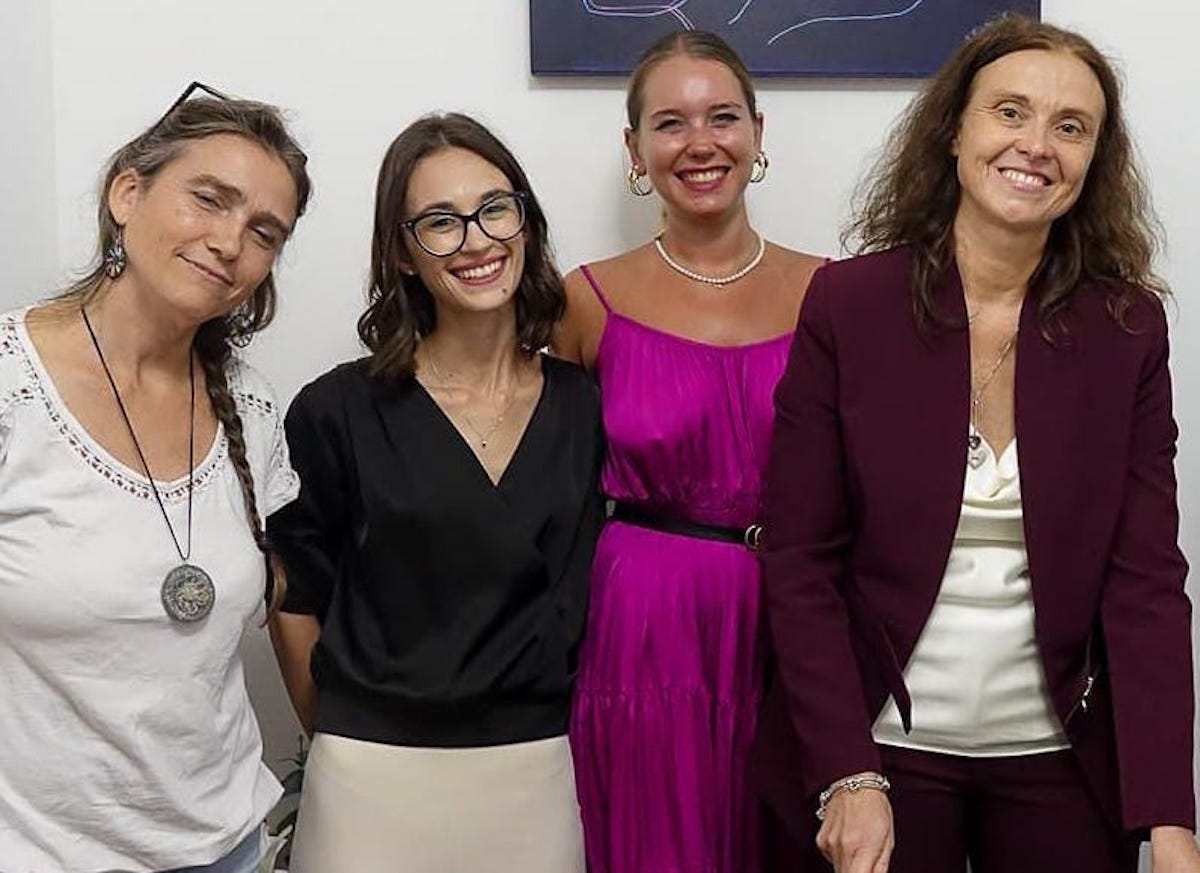
An all-female team, made up of a multidisciplinary group capable of combining clinical, therapeutic, and educational expertise. This is precisely the strength of the new “Artemis” Family Center, located in Mestre on Piazzale Candiani: cooperation and continuous internal exchange, working not as isolated individuals but as a cohesive group that views the family, in fact, in its entirety. A 360-degree approach. A valuable resource for the community, inaugurated just a few weeks ago and focused on four specific areas: clinical, legal, and services dedicated to adolescents and families. The underlying goal is to address every type of request—from individual psychotherapy to parenting support and educational programs— with a synergistic and tailored approach based on individual needs. In the clinical area, “Artemis” offers psychology and psychotherapy programs with professionals from various schools of thought, as well as specialized trauma interventions focused on the individual’s well-being and quality of life. The legal division, on the other hand, aims to ensure a rigorous technical and specialized assessment, prioritizing the protection of the most vulnerable individuals and safeguarding the well-being of minors involved in situations related to their parents’ separation. While the family division offers, among other things, parenting support groups or mutual-aid groups on various topics, discussion groups for mothers, fathers, or children going through a parental separation, support during childbirth and the postpartum period, as well as opportunities for parents and children to bond, the section dedicated to adolescence, on the other hand, addresses the main issues facing young people. These range from emotional and relational distress (managing anxiety and difficulties in accepting bodily changes) to isolation (including school phobia and conflicts with the adult world and the family).

