
Prevention Through “Pink October”: Dozens of Initiatives Starting in Venice and Spreading Throughout the Region
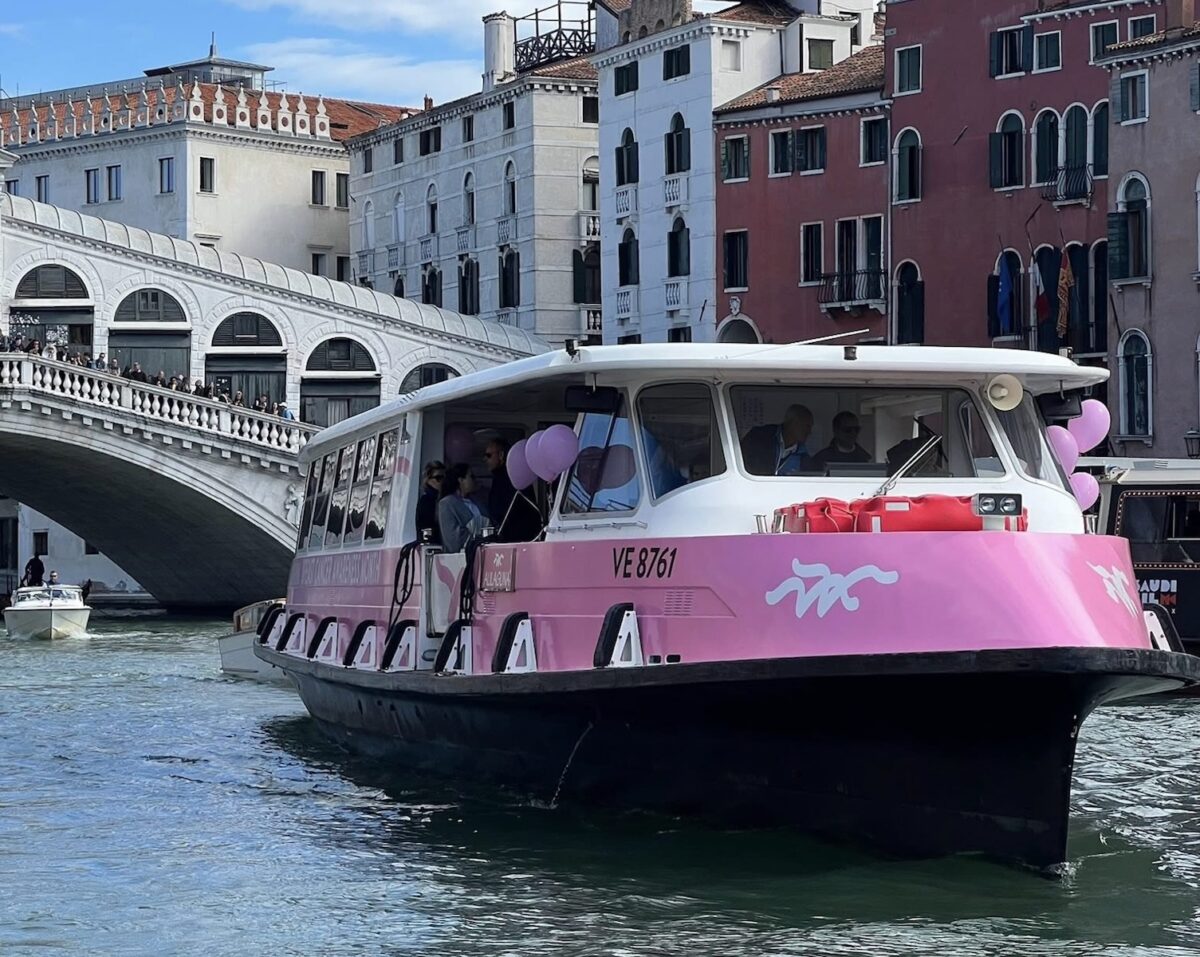
Over 600 events in eleven years, a network that has gradually expanded from the City of Venice to the Metropolitan City and now involves healthcare institutions, associations, the sports community, volunteer organizations, and local groups. This is “Ottobre Rosa” (Pink October), the campaign promoted by the City of Venice to foster a culture of prevention and early diagnosis of women’s cancers, raising awareness among women about the importance of regular checkups and screenings.
Launched in 2015, the initiative has gradually expanded its scope, spreading the message of health through now-recognizable symbols such as the Pink Vaporetto and the Pink Bus. From 2015 to 2025, 531 initiatives were carried out; this year, with over 85 new events, the total will easily exceed 600. The program combines prevention efforts with opportunities for education, sports, culture, discussion, and social interaction.
Ermelinda Damiano, a city councilor responsible for, among other things, Social Cohesion, Social Policies, Health Planning, Youth Policies, Relations with Volunteer Organizations, Women’s Rights, and Equal Opportunity, recounts the origins and evolution of the project. From 2015 to 2026, she served as president of the Venice City Council, a role in which she launched “Ottobre Rosa.”
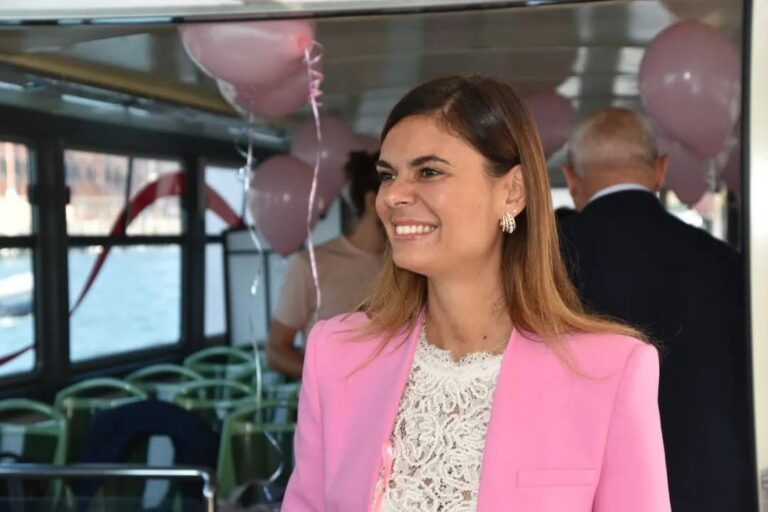
Councilmember Damiano, where did the idea for Pink October come from?
Pink October began with me, when I took office as president of the City Council in 2015. It was an initiative that had never been carried out in Venice before. The impetus also came from a personal experience, which I’ve never had any trouble sharing: my mother, Maria Rosaria, was diagnosed with breast cancer when she was 39. I was a teenager at the time, and I was with her every step of the way through her illness, her treatments, and her battle against a highly invasive and aggressive form of cancer. During those years, I became acquainted with Lilt Venice, one of the organizations that still plays a leading role in Pink October today, and I met people who helped not only my mother but also me, supporting me as I navigated that experience. When I became president of the City Council, the then-president of Lilt, Maria Grazia Cevolani—whom I had met during that very journey—asked me to do something to promote breast cancer prevention. I was struck by the fact that, up until that point, she had not found any institutions willing to support her efforts. It seemed important to me to take action, because we’re talking about the most common form of cancer among women. She had simply suggested lighting up the city’s buildings, but I thought that wasn’t enough. The lighting could serve as a symbol, but above all, we needed to build a local network involving healthcare facilities—which would provide scientific expertise—and the organizations that support patients on a daily basis.
Over the past eleven years, that network has grown significantly. How has the project changed?
We’ve managed to involve not only associations that work directly with cancer patients, but also many other groups that have chosen to contribute: sports associations, volunteer organizations, doctors, and cultural institutions. Some organize conferences and meetings, others raise funds, and still others promote prevention through sports. It has become a collaborative effort. A key milestone was the arrival of Alilaguna’s “Vaporetto Rosa” (Pink Waterbus). It has become one of the symbols of Venice’s “Pink October”: on board, doctors from the Breast Unit provide free breast exams, and awareness-raising activities are also organized. The vaporetto is present at major city events, from the Venice Marathon to the Venice Hospitality Challenge, all the way to the Sagra del Mosto in Sant’Erasmo. It’s a highly visible mode of transportation, even on an international level, because Venice is traversed daily by people from all over the world. The message of prevention travels across the water, in Italian and English. Later, the “Pink Bus” was launched with a different but equally important role: to bring the message of prevention to the mainland. The project then began to involve municipalities within the Metropolitan City of Venice. Venice has become a regional hub for Pink October, but today many municipalities participate with their own initiatives. In this way, the message reaches an ever-wider audience and an increasing number of women.
To what extent has this work influenced participation in prevention efforts?
The health authority has also highlighted these results to us. All this awareness-raising work—which is a collective effort—has contributed to higher participation in cancer screening programs. Until a few years ago, it was more difficult to reach women; today participation has increased, and Venice ranks among the areas with the highest screening rates, from mammograms to cervical cancer prevention programs. At one point, we were asked to extend this same approach to men’s health, and that’s how Movember came about, dedicated to men’s cancer prevention. But the result isn’t just about the numbers. Seeing a city turn pink for such an important cause means building community. For a long time, the word “cancer” was surrounded by fear and silence. This initiative has also helped change the cultural mindset: talking about prevention means learning to take care of oneself, understanding one’s own body, adopting healthy lifestyles, exercising, not smoking, and above all, realizing that prevention begins long before the age of screening. It must become a cultural norm that guides people from a young age.
Among the key figures are the “Women in Pink.” How important is their testimony?
“To me, they are the true stars of Pink October. They are women who have faced the disease and, through their experiences, have become examples of resilience and courage. In a way, that’s what my mother was to me. Their stories have become part of our community’s collective narrative because they’ve shared them, giving courage to other women who may be facing the disease and struggling to open up or find the strength to fight back. I’m thinking of the Dragon Boat—which is important to these women not only physically but also psychologically. Being together, sharing an experience, and feeling part of a group is incredibly valuable. Over the years, we’ve sadly lost some of them, and those were painful moments for all of us, but the bond remains incredibly strong. And the best part is that the movement has expanded: today we have the Pink Lioness in Venice, the Pink Fire from LILT, and the Trifoglio Rosa in Mestre, and this year the Onde Rosa were also founded on the Lido. It’s a movement that spans the entire city and shows just how many women have believed in this project.
So is Pink October about prevention, but also about building a sense of community?
I believe it’s both. The project is first and foremost about information, because when we talk about disease and treatment, we need to provide accurate information and let people know about the services available in their area. In Venice, we have an outstanding Breast Unit, led by Dr. Guido Papaccio, who, incidentally, was the doctor who operated on my mother. It’s an extraordinary team and serves as an important point of reference. But Pink October also provides concrete help to women facing the disease, support for the organizations that assist patients and their families every day, and fundraising. And it’s a great collective experience, in which both women and men participate—from the historic center to the mainland, all the way to the islands. This is perhaps its most beautiful aspect: bringing out the human side of a community.
What will be the highlight of this year’s event?
The Pink Vaporetto will once again take center stage: we’ve decided to focus its route primarily on areas farthest from healthcare facilities, precisely to bring breast cancer screenings closer to women. I’m thinking of the Lido, Pellestrina, Sant’Erasmo, Burano, and the Giudecca: more remote areas where it’s important to bring preventive services directly to the people. Among the new events will be the Italian Dragon Boat Tournament in Sant’Alvise, which will feature the National LILT Trophy. The national president of LILT and the “Women in Pink” from various regions will be in attendance. It’s a major sporting event making its debut on the Pink October calendar, and it perfectly encapsulates the relationship between sports, prevention, social engagement, and support for those who have battled the disease.
Finally, what message would you like to convey to women and the general public?
The message I’d like to share with everyone is to take care of yourselves. You need to be mindful of your own body, pay attention to any changes, and not take your health for granted. I’ve experienced this firsthand with my mother, and I’m convinced that health is our most precious asset: when it’s gone, everything is gone. That’s why it’s important to get the necessary checkups regularly—not by making prevention an obsession, but simply by making it a good habit. And then there’s a second appeal, one that concerns the entire community: don’t turn a blind eye to those who are battling an illness. Those facing cancer treatment need support, companionship, and even moments of lightheartedness. In the same way, we must support the organizations that, with great generosity, work every day alongside patients and their families.
Stefano Nava

